Recent Post

Community Card Poker Explained ...
Community card poker represents the most popular and widely played category of card games in the modern gaming world. Unlike traditional variations where players hold entirely private hands, these games utilize shared cards dealt face-up in the center of the table. This unique mechanism creates a dynamic environment where players must balance their hidden information with public resources to construct the winning hand.
The Core Mechanics of Shared Cards
Every hand in a community card game begins with players receiving a set of private cards, commonly referred to as hole cards. Following this initial deal, the dealer gradually reveals a set of shared cards in the middle of the layout over several distinct betting rounds. Players then combine their private holdings with these public cards to formulate the strongest possible five-card combination.
The structured progression of revealing shared cards dictates the pace of the game and influences betting strategies. Typically, these community cards are dealt in three stages known as the flop, the turn, and the river. Each stage introduces fresh mathematical possibilities and forces participants to constantly reassess the strength of their hands.
Popular Variants and Strategic Nuances
Texas Hold'em stands as the undisputed king of this genre, giving players two private cards to combine with five shared board cards. Omaha poker offers another thrilling alternative where players receive four hole cards but must use exactly two of them alongside three community cards. Understanding these subtle rule variations is essential for developing a versatile approach to the tables.
The introduction of shared resources fundamentally changes how competitors calculate their mathematical odds. Since everyone has access to the same board cards, evaluating what your opponents might hold becomes a highly sophisticated mental puzzle. For enthusiasts looking to explore these strategic depths online, finding a reliable platform like Mansion88 can elevate your overall understanding of the game.
Evaluating Board Textures and Ranges
A critical skill in community card poker is the ability to read the board texture, which refers to the coordination of the shared cards. Some boards are highly coordinated with potential straight or flush draws, while others are dry and offer very few combinations. Recognizing these patterns allows players to predict opponent behavior and execute well-timed bluffs.
Successful players constantly assign a range of likely hands to their opponents based on how they interact with the community cards. Sudden shifts in bet sizing on different streets often signal whether a competitor has connected with the board or is merely representing a strong hand. Mastery of this situational analysis separates casual players from seasoned table experts.
Essential Tips for New Players
Beginners should focus heavily on understanding table position, as acting later in a betting round provides a substantial informational advantage. Observing how your opponents react to the shared cards before you make a decision allows you to minimize risk and maximize potential value. Developing this situational discipline is the cornerstone of a sustainable winning strategy.
Additionally, maintaining strict starting hand selection prevents you from getting caught in difficult post-flop scenarios. Playing too many weak starting hands often leads to costly mistakes when the community cards do not favor your holding. Combining patience with solid mathematical calculations will consistently yield better results over the long term.
Mahjong Basics That Lead to Success ...
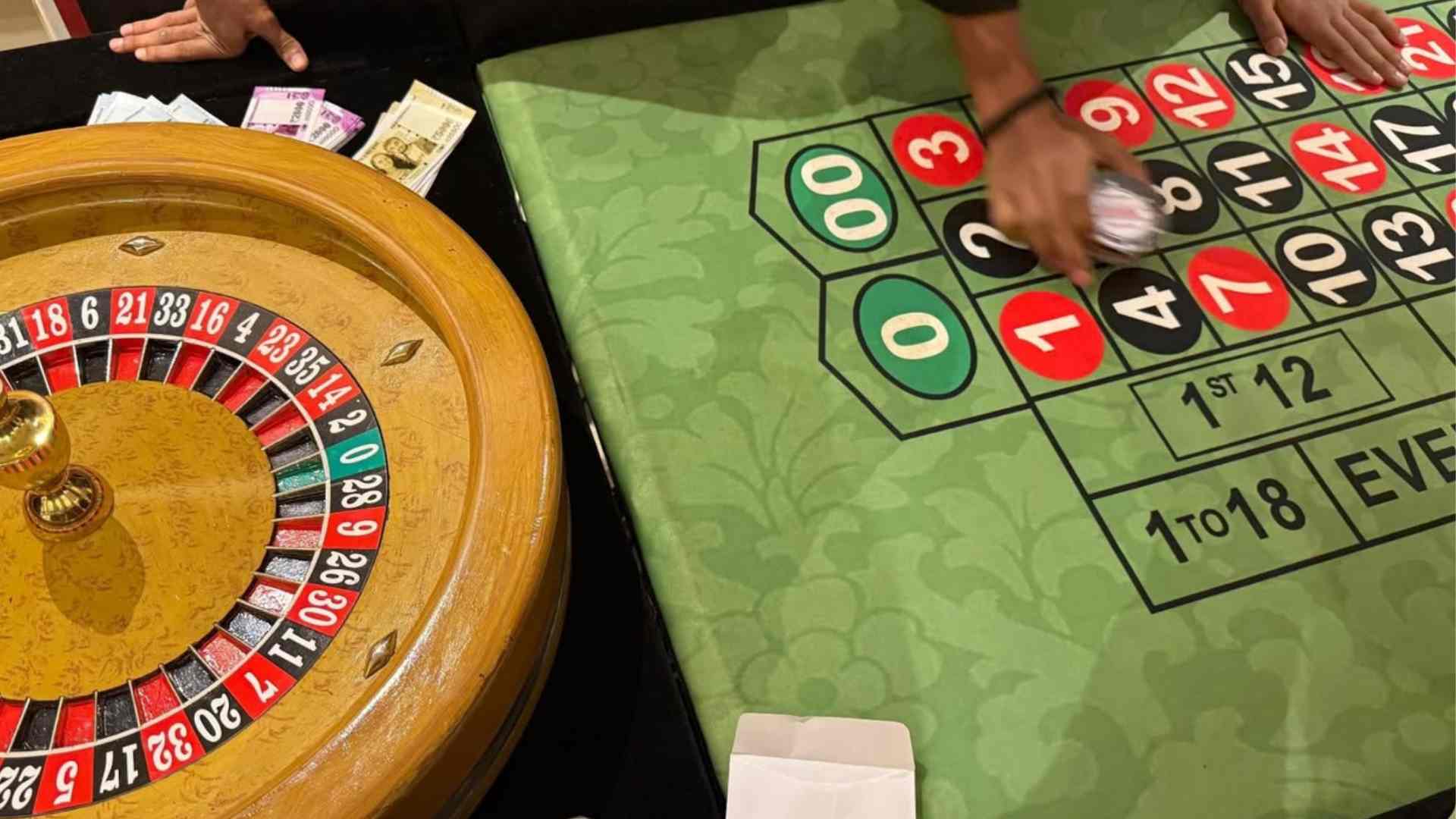
Mahjong is a historic and highly strategic tile-based game that challenges a player's memory, observational skills, and tactical foresight. While the random distribution of tiles introduces an element of luck, long-term victory belongs to those who master core fundamental techniques. Understanding the baseline mechanics of hand building and table analysis transforms a beginner's casual hobby into a consistently successful pursuit.
Mastering Visual Literacy and Tile Groups
The first critical step toward success in Mahjong is developing a fast and accurate recognition of the entire tile set. A standard game features three numerical suits alongside honor tiles representing the unique winds and dragons. Learning to instantly sort these pieces into potential sequences or triplets allows you to calculate the true trajectory of your hand right from the opening draw.
Failing to properly evaluate your initial deal often leads to chaotic strategies and missed opportunities as the round progresses. Experienced players prioritize keeping highly versatile suited pieces that connect easily across multiple numeric values. Building these efficient physical layout habits on platforms like Mansion88 ensures your mind remains focused on tactical decisions rather than visual confusion.
The Core Objectives of Balanced Hand Building
To declare a valid victory, a player must be the quickest at the table to assemble a complete fourteen-tile layout. This required structure almost always consists of four distinct groups of three tiles combined with one matching pair. These sets can be formed either as consecutive numerical runs within a single suit or as identical triplets of the exact same design.
Every single turn introduces a vital choice as you draw a fresh piece from the wall and select one tile to discard into the open center pool. This continuous cycle means you must carefully monitor which pieces your opponents are discarding or claiming for their own sets. Balancing your offensive speed with a flexible layout is the defining quality of a skilled competitor.
Implementing Smart Discard Management
A major secret to securing consistent wins is knowing exactly when to let go of isolated or low-value tiles. Beginners often make the mistake of holding onto unmatched honor pieces for too long, which severely minimizes their hand flexibility. Discarding these unlinked tiles early in the game preserves your space for high-value combinations and multi-sided waits.
As the match advances into its middle phase, tracking the historical record of discards helps you evaluate the mathematical probability of finding your remaining pieces. If a particular tile has already appeared multiple times in the center pool, it is wise to pivot your strategy toward safer alternatives. This calculated approach prevents you from waiting indefinitely on a tile that is no longer accessible.
Developing Long Term Practice Habits
Achieving true mastery in Mahjong requires regular exposure to different table dynamics and competitive situations. Engaging in solitary practice drills by drawing and arranging a random set of tiles is an excellent way to train your pattern recognition without the pressure of a ticking clock. Reviewing your completed combinations after a match helps highlight tactical oversights and improve your decision-making framework for future sessions.

Best Solitaire Games to Improve Your Focus ...
In a fast-paced digital world filled with constant notifications, maintaining deep focus has become a major challenge for many individuals. Classic card games have long been recognized as excellent tools for mental rehabilitation, helping players reclaim their cognitive stamina. Engaging in structured solo card play offers a calm yet stimulating environment that trains the brain to concentrate on singular tasks without distraction.
Classic Klondike for Steady Concentration
Klondike remains the most recognizable version of solitaire and serves as a foundational exercise for improving daily focus. The game requires players to carefully plan their sequences, alternate colors, and build descending columns while keeping an eye on the stockpile. This steady cycle of planning and execution forces the mind to slow down and focus on immediate detail-oriented choices.
By prioritizing the reveal of face-down cards, players learn to anticipate future scenarios and manage limited options. Over time, practicing this traditional layout builds a strong mental habit of sustained attention that easily transfers to work or academic tasks. Many players also enjoy visiting interactive digital hubs like Mansion88 to discover a wide variety of engaging card variations that help keep their minds sharp and focused.
Spider Solitaire for Advanced Brain Training
If you find standard games too simple, Spider Solitaire offers a complex layout designed to push your cognitive limits even further. Utilizing multiple decks and up to four different suits, this version demands a much higher level of strategic planning and memory retention. Players must track long sequences across ten columns, making every single move critical to the ultimate success of the game.
This heightened complexity acts as an excellent form of cognitive training, strengthening executive function and working memory. Because one wrong move can easily block your entire progress, it naturally teaches players to analyze the board with great precision. The intense focus required to untangle a complex Spider Solitaire board is highly effective for building long-term mental endurance.
FreeCell for Pure Strategic Calculation
Unlike other card games that rely heavily on the luck of the draw, FreeCell is a unique variation where nearly every single deal is solvable. The game provides players with four open cells to temporarily store cards, turning the entire experience into a deep logical puzzle. Because all cards are dealt face-up from the start, success relies entirely on your ability to calculate moves in advance.
This complete transparency eliminates frustration and encourages players to take a highly methodical approach to problem-solving. It trains your mind to visualize multiple steps ahead, weighing the consequences of each transition before executing it. For individuals looking to improve logical reasoning and attention to detail, FreeCell serves as the ultimate mental gym.

Winning Every Session in Table Games ...
Entering the world of casino table games brings an undeniable rush of excitement and anticipation for players of all experience levels. While the house always maintains a mathematical advantage, defining what it means to win can completely transform your long-term success. By shifting your focus from chasing impossible winning streaks to mastering disciplined session management, you can walk away feeling victorious more often than not.
Redefining the Session Win
Most players measure a successful session purely by the size of their final chip stack when they leave the table. However, a more sustainable approach involves setting strict performance metrics based on time spent and decisions made. When you play with high precision and limit costly emotional mistakes, you have achieved a significant strategic victory regardless of the final monetary outcome.
Establishing clear win goals and loss limits before placing your very first bet is essential for keeping your emotions in check. Professional players often recommend stepping away once you have increased your starting bankroll by a modest twenty or thirty percent. This disciplined mindset ensures you lock in your gains before the natural statistical variance of the game catches up to you.
The Power of Bankroll Discipline
No strategy can guarantee success without a rigorous foundation of capital management to weather the inevitable downswings. Dividing your total funds into smaller, dedicated session bankrolls prevents you from risking critical resources during a single cold streak. This structure keeps you calm and allows you to make logical, calculated decisions under pressure.
For those looking to explore a variety of trusted gaming options and test their strategic limits, visiting a premium platform like Mansion88 provides an excellent environment to practice. Keeping your individual bets small relative to your session budget ensures you can play enough rounds to let strategy overcome short-term luck. Protecting your capital is always the first and most important step toward finishing a gaming session in the green.
Mastering Strategy and House Edge
Different table games offer vastly different odds, meaning your choice of game directly dictates your statistical probability of walking away a winner. Games like blackjack and baccarat feature some of the lowest house edges available, especially when players utilize optimal decision-making charts. Memorizing basic strategy or keeping a guide handy is a perfectly legal and highly encouraged way to minimize the house advantage.
In contrast, games like roulette rely entirely on independent physical events where past outcomes have absolutely no bearing on future spins. Understanding the difference between skill-based games and pure games of chance helps you allocate your time and resources more efficiently. When you focus your energy on games where your choices actually matter, you dramatically increase your control over the session.
Knowing When to Walk Away
The ultimate secret to securing consistent wins is developing the self-control to leave the table while you are still ahead. Fatigue, alcohol, and the hypnotic atmosphere of the gaming floor can slowly erode your decision-making abilities over several hours. Recognizing the early signs of mental tiredness is a critical skill that separates successful players from the rest.
Setting a strict time limit on your play sessions helps keep your mind sharp and your strategies effective. Once your designated time is up, make it a firm rule to cash out your chips and celebrate your discipline. Walking away on your own terms is the truest way to master the art of table gaming.

Learn the Secrets of Successful Dominoes Matches ...
Dominoes is a highly engaging tile game that requires much more than simple luck to achieve consistent victory. While anyone can learn the basic rules in a matter of minutes, executing advanced strategic maneuvers separates casual players from true tournament champions. By shifting your perspective and focusing on tile management, you can quickly unlock the hidden patterns of the board and dominate your upcoming matchups.
The Core Strategy of Hand Evaluation
As soon as you draw your initial tiles, you must carefully evaluate the overall composition and numeric distribution of your hand. Identifying matching suits and noticing which numbers you lack will help you plan your defensive sequences right from the very beginning. Developing a balanced hand ensures that you can always adapt to unexpected board blocks or aggressive moves from your competitors.
Experienced competitors often prioritize playing their heaviest doubles early in the game to avoid getting stuck with high point values at the end of a round. Keeping track of your hand's remaining weight prevents major point losses if an opponent suddenly forces a blocked game situation. Consistent practice with hand evaluation builds a solid analytical foundation that is useful in both casual gatherings and competitive leagues.
Predicting Your Rivals Moves Through Board Control
Controlling the tempo of a match relies heavily on your ability to read the table and accurately predict your opponent's hidden resources. Whenever a player is forced to pass their turn or draw from the boneyard, they reveal critical weaknesses in their hand's numeric distribution. You can use this strategic information to lock down specific ends of the board and force them into unfavorable situations.
For players eager to test their tactical progression in modern settings, exploring online options like M88id can provide highly interactive gaming experiences. Engaging with structured digital platforms allows you to practice against diverse playing styles and sharpen your rapid decision-making skills under varied match conditions. Over time, analyzing player habits across different game formats will make you a much more versatile strategist.
Mastering Defensive Blocks and Endgame Scoring
A highly successful endgame strategy relies on knowing exactly when to play aggressively for points versus when to secure a defensive block. If you hold a low-value hand, deliberately creating a blocked board scenario can secure an immediate victory by catching your opponent with heavy tiles. Timing these defensive maneuvers requires careful arithmetic and a deep understanding of the remaining tile pool.
Ultimately, achieving long-term success in dominoes is about cultivating patience, maintaining emotional discipline, and executing calculated plays. By treating every tile placed on the table as a valuable piece of information, you will naturally transition from simple matching to masterful board control. Focus on consistent practice and soon you will begin celebrating victories in every match you play.

Wheel Games Designed for Endless Replay ...
The concept of spinning wheels has captivated players for centuries, but modern design techniques have turned these simple devices into powerhouse engines of longevity. Today, developer focus has shifted from single-use novelties to deeply sustainable digital layouts that encourage players to return again and again. By understanding the balance between mathematical probability and sensory engagement, creators have unlocked the formula for truly limitless play sessions.
The Psychology of Variable Rewards
At the center of any highly replayable game is the concept of unpredictable outcomes, which naturally triggers sustained engagement in the human brain. When a participant cannot anticipate exactly where the spinner will land, each successive attempt feels like a completely unique event. This psychological tension turns every single rotation into a fresh story filled with potential and discovery.
By utilizing sophisticated mathematical structures, modern designs ensure that rare segments always feel within arm's reach. This subtle balance prevents early fatigue and keeps the overall atmosphere highly dynamic for participants. To experience how modern platforms structure these compelling reward cycles, curious players can explore the diverse interactive setups hosted at M88id for some practical insights. Adapting to these variable patterns is the first step toward enjoying the depth of modern circular formats.
Layering Mechanics to Combat Boredom
Simple wheels can quickly lose their charm if the rules remain completely static over long periods. To solve this issue, contemporary developers introduce secondary layers of gameplay, such as unlockable bonus rounds and persistent progression systems. These features turn a basic spin into a stepping stone toward much larger in-game achievements.
When players feel they are working toward a long-term milestone, their immediate motivation to spin increases significantly. This progression structure transforms a game of pure chance into an engaging journey with real milestones. Consequently, the feeling of repetitive action disappears, replaced instead by a sense of continuous growth and accomplishment.
Visual and Audio Integration
The physical sensation of watching a wheel gradually lose its momentum is a critical element that cannot be overlooked. High-quality digital simulations utilize advanced physics engines to replicate the precise friction and resistance of heavy physical wheels. This realistic deceleration creates a tangible sense of drama that keeps eyes glued to the screen until the final moment.
Complementing these visual systems are dynamic soundscapes that shift in tempo and tone based on the wheel's current speed. The rhythmic clicking sounds accelerate and fade in perfect harmony with the visual motion, building sensory anticipation. These synchronized cues turn each individual spin into a satisfying performance that remains pleasant even after hundreds of repetitions.
The Power of Customization
Another major driver of endless replayability is the ability for participants to modify the gaming environment to suit their own personal tastes. Many modern interfaces allow players to adjust risk volatility, swap visual themes, or even change the segmented rewards entirely. This level of agency makes the experience feel highly personalized and interactive.
When players can tailor the game to match their immediate mood, they are far less likely to seek entertainment elsewhere. This flexibility ensures the platform remains relevant whether a user is seeking a quick session or an intense gaming afternoon. Ultimately, personal control combined with robust design is what turns a simple circular spinner into an enduring masterpiece.
Live Casino Gaming Beyond Traditional Tables ...
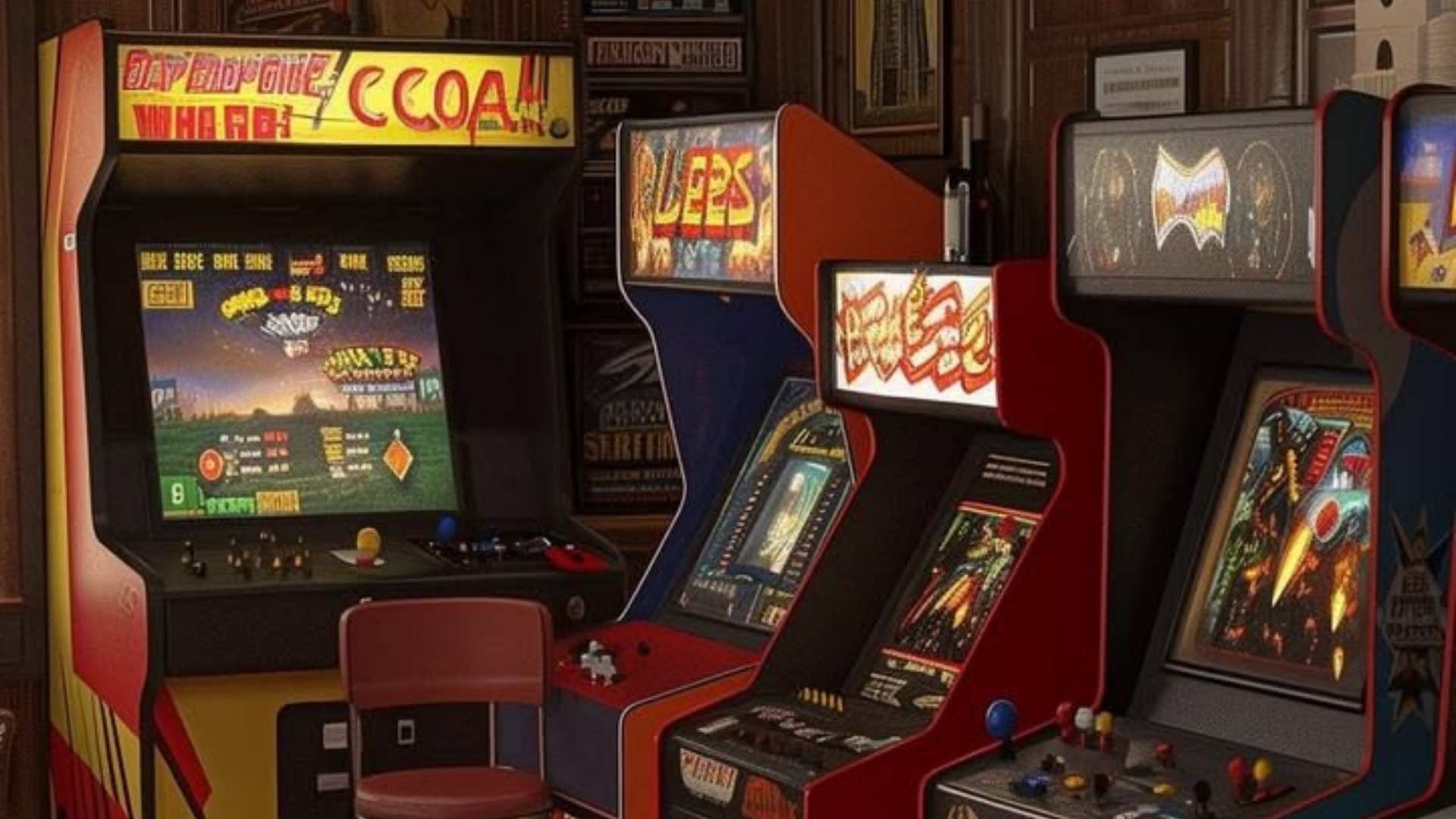
The digital entertainment landscape has experienced a monumental shift as players look for deeper interactions that go beyond standard card matrices and spinning wheels. Modern live dealer environments are quickly evolving to offer unique formats that challenge the conventional boundaries of online gambling. This expansion introduces fresh themes, narrative game hosts, and augmented reality elements that altogether redefine how enthusiasts connect with real-time media.
The Emergence of Interactive Game Shows
Traditional setups are no longer the exclusive attraction for online gaming enthusiasts seeking real human engagement. Contemporary platforms are increasingly integrating television-style game shows that feature colorful wheels, live bonus rounds, and professional hosts who focus entirely on viewer entertainment. These variants create a communal atmosphere where large groups of players participate together while enjoying highly animated graphical enhancements.
This transition introduces a hybrid layout where physical set mechanisms blend seamlessly with interactive digital overlays. Participants can track historical metrics and configure multi-layered outcomes instantly on their personal screens. The overall emphasis shifts from solitary mathematical strategies toward immersive, lighthearted entertainment designed for a broader demographic.
Augmented Reality and Gamified Elements
Sophisticated streaming infrastructure now enables operators to overlay virtual objects directly onto physical studio backgrounds. This technological advancement allows digital avatars, prize multipliers, and custom animations to react live alongside the real-world movements of the host. The combination of these visual tools ensures that every round presents distinct animations and unexpected surprises for the audience.
Gamification mechanics also play an important role by introducing progressive leaderboards, interactive side missions, and real-time community challenges. Players are incentivized to explore unique titles that prioritize thematic depth over standard randomized mechanics. Exploring trusted digital hubs like M88id provides access to these cutting-edge variations, giving users a first-hand look at modern studio streaming capabilities.
Catering to the Next Generation of Online Players
The continuous development of mobile optimization and high-definition distribution channels ensures that alternative formats remain accessible anytime. Emerging variations prioritize fast-paced decisions and intuitive touch controls, making them highly attractive to casual mobile users. By moving away from complex rulesets, these alternatives open up the landscape to a massive audience that values quick, engaging entertainment sessions.
As broadcasting standards improve, the line between video gaming, streaming entertainment, and virtual gambling will continue to blur. The move away from conventional card formats represents a permanent shift toward multi-sensory entertainment experiences. Platforms that successfully balance transparency with genuine interactivity are poised to lead the next era of digital amusement.

Slot Games with Rewarding Progression ...
The landscape of digital casino entertainment is shifting significantly as software developers introduce complex gameplay mechanics over simple reel alignments. Modern players actively look for virtual machines that offer a continuous sense of advancement during their sessions. Finding slot games with rewarding progression can enhance casual entertainment while introducing refreshing layers of depth to every spin.
The Psychology of Player Advancement
Traditional slots rely heavily on instant resolution where each spin begins and ends with minimal memory of previous outcomes. In contrast, progression systems create a structural continuity between consecutive spins that keeps the experience dynamic. Players enjoy seeing a clear direction in their gaming session, making the overall experience feel much more engaging.
By borrowing popular mechanics from mainstream video games, digital machines now offer structured goals that reward sustained interaction. These loops are designed to build a deep sense of accomplishment as specific milestones are reached. Consequently, the standard wagering loop transforms into an immersive journey rather than just a repetitive activity.
Popular Progression Systems in Modern Slots
One of the most common integrations found in modern titles is the collection meter system. Players gather specific icons, tokens, or digital items across multiple spins to gradually fill a specialized status bar on the screen. Once the meter is completely filled, a unique bonus modifier or a high-value round is unlocked.
Another excellent framework involves map-based unlock paths where players move a digital character through different fantasy realms or narrative chapters. Moving along the trail allows you to explore new visual settings and access enhanced payout potential. These creative setups ensure that your efforts feel acknowledged as you unlock advanced game features.
The Balance of Random Systems and Persistence
While these systems provide a compelling feeling of development, it is important to remember that underlying outcomes remain tied to random number generators. The visible meters and interactive maps create a perceived persistence that shapes the session structure without manipulating fair mathematics. Understanding this helpful distinction allows players to enjoy the advanced gameplay features responsibly.
Exploring trusted platforms that offer insights into advanced gaming architectures can significantly optimize your entertainment choices. Evaluating modern platforms like M88id can assist users in discovering well-balanced titles with robust persistence mechanisms. Choosing high-quality games with clear rule structures ensures a safe, predictable, and highly satisfying session.
Choosing the Right Progression Style
With a vast array of choices available online, selecting the ideal style depends on your personal gaming preferences. Some enthusiasts prefer straightforward collection cycles that reset quickly after awarding a small bonus features pack. Other players favor complex level-up mechanisms that save your overall journey across multiple gaming days.
Ultimately, playing titles that integrate narrative depth and structured advancement turns a casual session into a memorable event. Focusing on interactive elements rather than standard outcomes offers a fresh way to engage with digital entertainment safely. Embracing these innovative mechanics allows you to experience the evolution of modern casino gaming at your own pace.

Family Game Night Starts with Great Board Games ...
Gathering around a table for a family game night offers an exceptional way to disconnect from digital screens and foster meaningful real-world interaction. Selecting the right tabletop experiences can turn an ordinary evening into an unforgettable tournament filled with laughter and strategy. Investing in great board games ensures that players of all generations remain engaged and entertained throughout the night.
Choosing the Right Games for Mixed Age Groups
Finding the perfect balance of entertainment that satisfies multiple generations can sometimes feel like a daunting task. It is important to select titles with intuitive mechanics and brief setup times so that younger children do not lose interest quickly. Strategic elements should still be deep enough to keep adult participants challenged and fully invested in the outcome.
Cooperative adventures are particularly excellent for mixed age groups because they shift the focus from fierce rivalry to shared triumph. Instead of plotting against the person sitting next to you, these tabletop experiences require players to pool their talents against a common objective. This collaborative dynamic builds excellent teamwork skills while creating a supportive atmosphere for everyone involved.
The Dynamic Growth of Modern Tabletop Gaming
The landscape of tabletop entertainment has evolved dramatically over recent years, offering experiences that go far beyond classic childhood pastimes. Modern designers blend innovative mechanics with rich thematic lore to create highly immersive social environments. This ongoing renaissance ensures that home libraries can be stocked with fresh and endlessly replayable options.
For families looking to explore different forms of interactive entertainment, discovering reliable online hubs like M88id can provide an exciting alternative for digital leisure. However, the unique tactile joy of rolling physical dice and moving pieces by hand remains irreplaceable for family gatherings. Balancing both digital options and analog classics gives households a well-rounded approach to modern entertainment.
How Group Play Sharpens Critical Thinking Skills
Beyond offering a simple escape from daily routines, physical tabletop games serve as structured mental gyms that challenge cognitive boundaries. Players are constantly required to analyze changing board states, manage resources efficiently, and anticipate their opponents' next moves. Engaging regularly in these activities naturally sharpens real-world problem-solving and strategic planning capabilities.
Furthermore, navigating competitive scenarios helps children and teenagers develop healthy emotional intelligence and resilience. Learning to accept a close defeat gracefully is just as valuable as celebrating a hard-earned victory with humility. These interactive sessions provide a safe environment to practice social skills that benefit participants far beyond the gaming table.
Building a Diverse and Lasting Home Collection
A truly great curation transforms an ordinary living space into a hub of sustainable entertainment for years to come. It is wise to include a mix of fast-paced party options, deep strategy games, and simple card setups to match various moods. This diversity guarantees that you will always have the ideal icebreaker ready whenever friends and family visit.
Investing in high-quality editions with durable components also elevates the overall immersion of your weekly gaming sessions. Clear rulebooks and beautifully crafted pieces make learning new systems much more welcoming for beginners. Ultimately, a thoughtful collection serves as the perfect foundation for generating cherished memories and strengthening family bonds.

Number Games That Reward Consistency ...
The human brain thrives on structural clarity and routine, which makes puzzle environments that focus on continuous development highly attractive. Number games that reward consistency provide a perfect platform for individuals looking to enhance their analytical capabilities through steady practice. Rather than relying on sudden bursts of inspiration, these structured activities encourage players to build reliable habits that steadily unlock complex puzzle solutions over time.
The Psychology of Habitual Puzzle Solving
Engaging with numerical challenges on a daily basis establishes strong neural pathways associated with logical deduction and pattern recognition. When players return to the same mathematical layouts routinely, they begin to notice structural subtleties that casual participants frequently overlook. This cognitive familiarity transforms difficult problem-solving tasks into fluid exercises that feel increasingly intuitive with each session.
Furthermore, maintaining a steady approach to these mental exercises prevents the cognitive fatigue often caused by sudden, intensive study. By distributing the learning process across short, focused intervals, players retain strategic insights far more effectively over the long term. This systematic improvement highlights how regular interaction with logic puzzles directly supports continuous intellectual growth.
Building Sustainable Strategies for Long Term Growth
Succeeding in advanced mathematical puzzles requires a deliberate shift away from impulsive guesswork toward methodical analysis. Experienced solvers often develop customizable routines that help them isolate problematic variables and systematically eliminate incorrect options. This patient, rule-based methodology ensures that progress remains stable even when the underlying problem configurations become significantly more complex.
Many modern enthusiasts utilize digital platforms to track their progress and study historical gameplay patterns to optimize their decision-making systems. Exploring reliable gaming environments like M88id can offer excellent resources for sharpening your interactive problem-solving skills. By analyzing past performances regularly, individuals can refine their tactical approach and maintain a competitive edge in various logical disciplines.
How Routine Engagement Enhances Cognitive Flexibility
Regular exposure to diverse numerical constraints forces the mind to remain highly adaptable and open to alternative logical frameworks. When an individual commits to solving problems daily, they train their working memory to hold and manipulate multiple data sets simultaneously. This heightened mental agility easily transfers into everyday decision-making scenarios that require balanced, analytical reasoning.
Additionally, overcoming minor intellectual hurdles every day builds psychological resilience and a profound sense of intrinsic satisfaction. This positive feedback loop motivates enthusiasts to seek out increasingly difficult configurations to test their expanding capabilities. Ultimately, the long-term benefits of this disciplined intellectual pursuit extend far beyond the digital grid itself.
Choosing the Right Challenges for Daily Practice
To maximize the cognitive returns of mathematical entertainment, it is essential to select puzzle variations that align with your current development goals. Beginners should focus on establishing an unbroken streak using simpler mathematical grids before attempting highly complex variations. Gradually increasing the difficulty ensures that the activity remains deeply engaging without becoming overwhelmingly frustrating.
Ultimately, the true value of numerical entertainment lies in the patient journey of steady refinement rather than immediate mastery. By dedicating a small portion of each day to structured problem-solving, you can unlock significant improvements in mental clarity. Embracing this disciplined approach ensures a balanced blend of productive mental stimulation and lasting cognitive health.
Semua artikel sudah ditampilkan.