Bridge Games Every Competitive Player Should Try
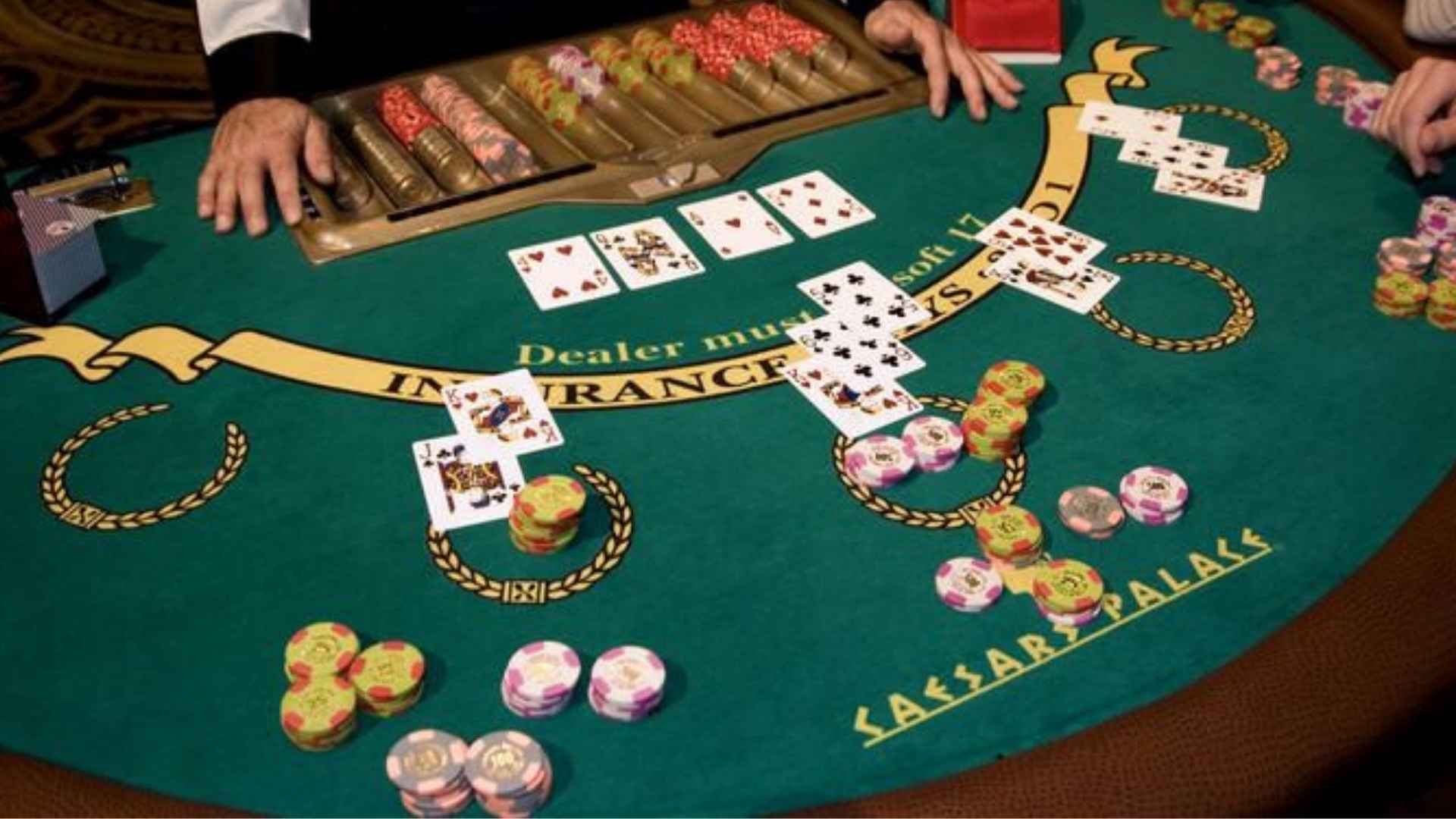
Contract bridge stands out as one of the most intellectually demanding mind sports, attracting individuals who thrive on deep logic and analytical execution. While casual matches offer a relaxed environment, stepping into the competitive arena introduces unique variations that test the absolute limits of your strategic foresight. Exploring these advanced tournament formats can significantly sharpen your decision-making and elevate your overall partnership synergy.
The Standard of Duplicate Formats
Duplicate layouts serve as the ultimate proving ground for ambitious card enthusiasts looking to eliminate the element of pure luck. In this setup, every table handles the exact same distribution of cards, forcing participants to rely strictly on superior tactical play rather than receiving high-card power. This equalized structure ensures that final scoreboards truly reflect a partnership's mechanical precision and inferential skill.
Engaging regularly in duplicate sessions allows competitive minds to benchmark their analytical capabilities against a broad field of opponents. It highlights minor defensive errors and rewards disciplined bidding systems that maximize trick-taking opportunities. For players wanting to experience various digital card challenges, exploring options on the Mansion88 platform can provide valuable engagement and entertainment.
The Intensity of Team Knockout Matches
Team knockout brackets elevate the psychological stakes by shifting the focus from individual board percentages to cumulative match points. In this highly competitive dynamic, two separate partnerships combine their efforts to defend and declare across different tables simultaneously. A minor miscalculation or an overly aggressive bid can instantly cost the entire team their position in the tournament.
This structure demands exceptional emotional resilience and absolute synchronization between teammates who cannot communicate during active play. Successful competitors must adapt their defensive signaling systems to counter diverse playing styles in real-time. Overcoming these collective hurdles builds a profound sense of camaraderie and tactical alignment that standard formats rarely replicate.
Speed Operations in Speedball Sessions
Speedball variants introduce an exhilarating time constraint that forces participants to process complex calculations under intense pressure. With only a few minutes allocated per deal, players must deduce hidden distributions and execute optimal finesses almost instantly. This rapid environment trains the human intellect to rely on sharp intuition and pre-established bidding frameworks.
Participating in fast-paced tournaments minimizes second-guessing and strengthens long-term memory retention over successive rounds. It challenges experienced strategists to maintain focus despite evolving table dynamics and sudden tactical shifts. Embracing these high-speed exercises prepares serious contenders for the stressful environments found at international championship tables.
The Evolution of Modern Bidding Contests
Bidding contests focus entirely on the initial auction phase, isolating communication strategies from the subsequent card execution. Partnerships receive complex hand profiles and must navigate specialized codifications to find the absolute best contract without seeing each other's cards. This specialized exercise refines a duo's shared vocabulary and ensures absolute accuracy during major live matches.
Mastering these structured systems allows competitive pairs to minimize costly penalties and exploit subtle vulnerabilities in defensive logic. It encourages lifelong learning as players continuously modernize their conventions to match current global standards. Investing regular time into these technical exercises transforms casual card players into deeply formidable bridge strategists.